Post-Pandemic Sleep Disturbance Remains Widespread
New research highlights the persistence of sleep issues following the end of COVID-19 lockdowns, regardless of infection history.


New research highlights the persistence of sleep issues following the end of COVID-19 lockdowns, regardless of infection history.






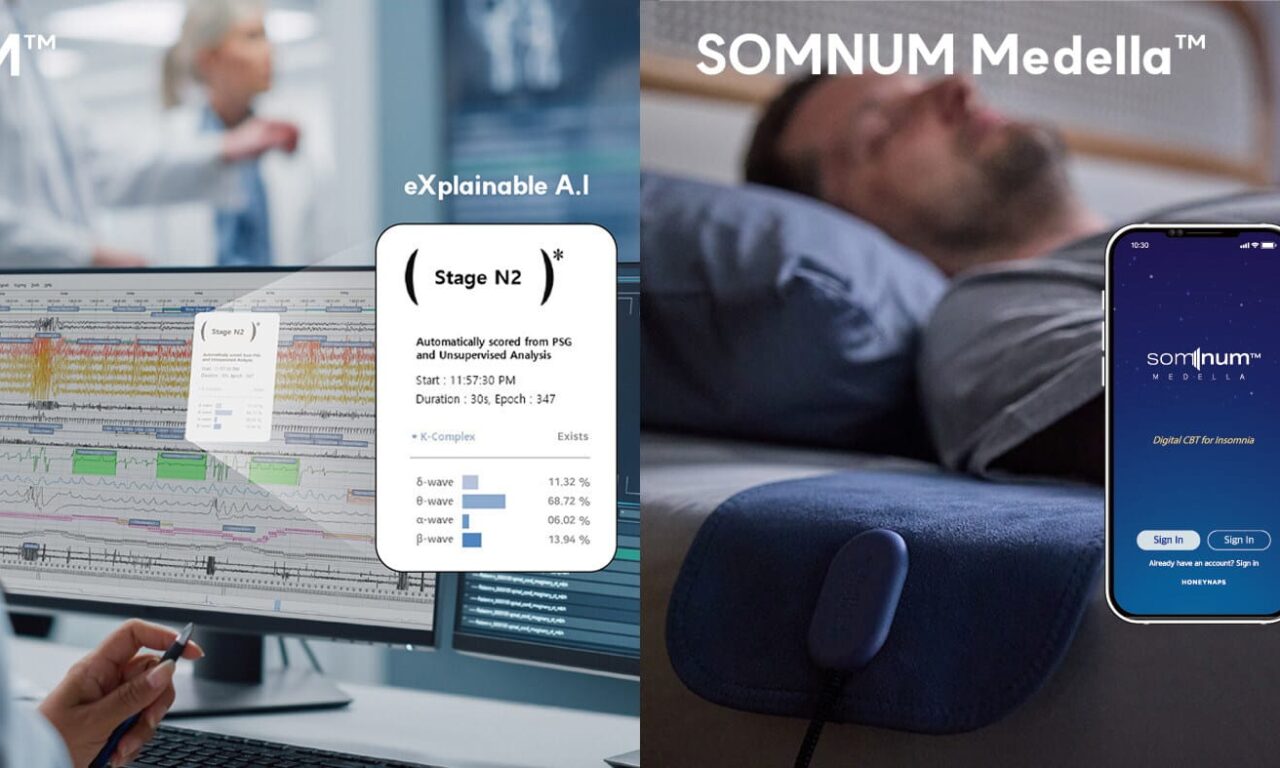
The latest version of the SOMNUM software analyzes polysomnography data to automatically detect and differentiate obstructive, central, and mixed sleep apnea.

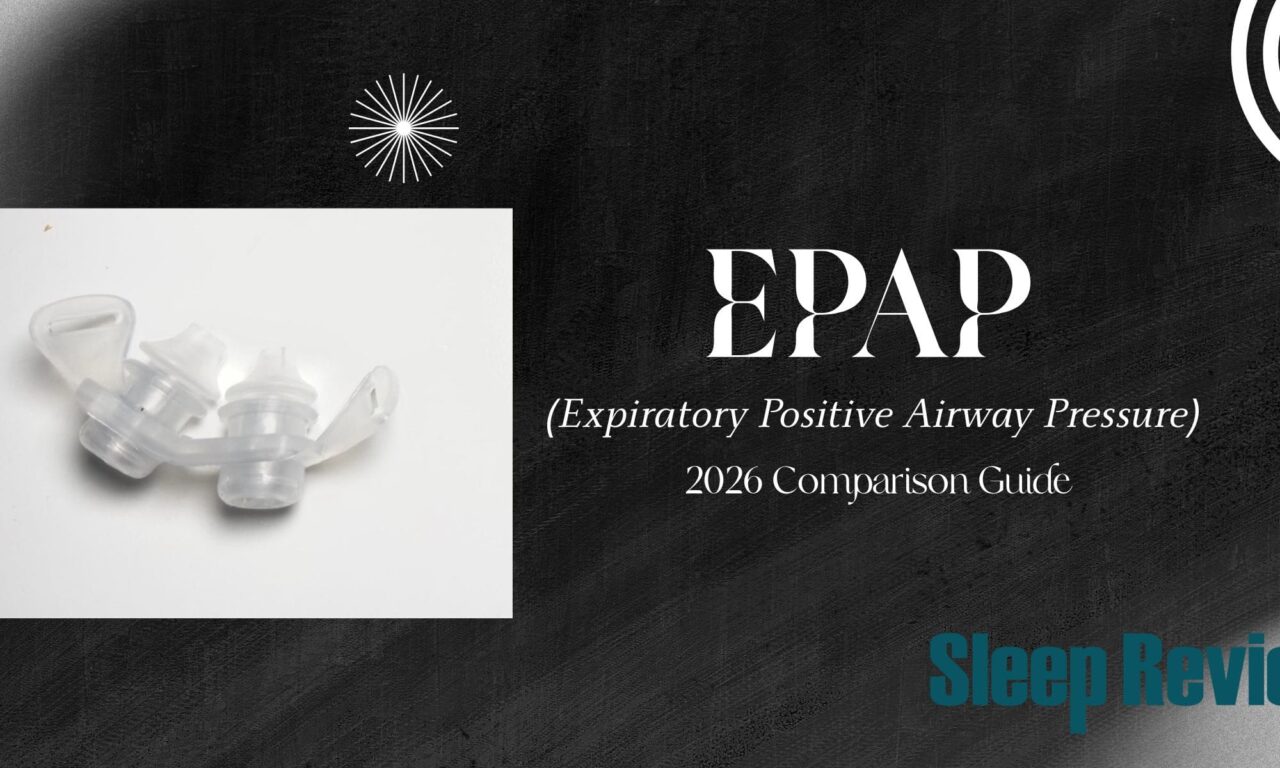
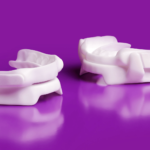
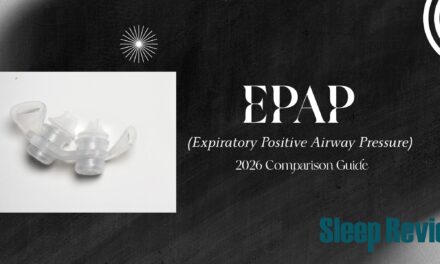
This guide compares EPAP devices on specifications including sizes, materials, warranty, payor coverage, cleaning instructions, and supporting studies.





This CSTE quiz covers biopsychosocial approaches to sleep health, innovative uses of home sleep testing for therapy monitoring, and updated perspectives on restless legs syndrome.




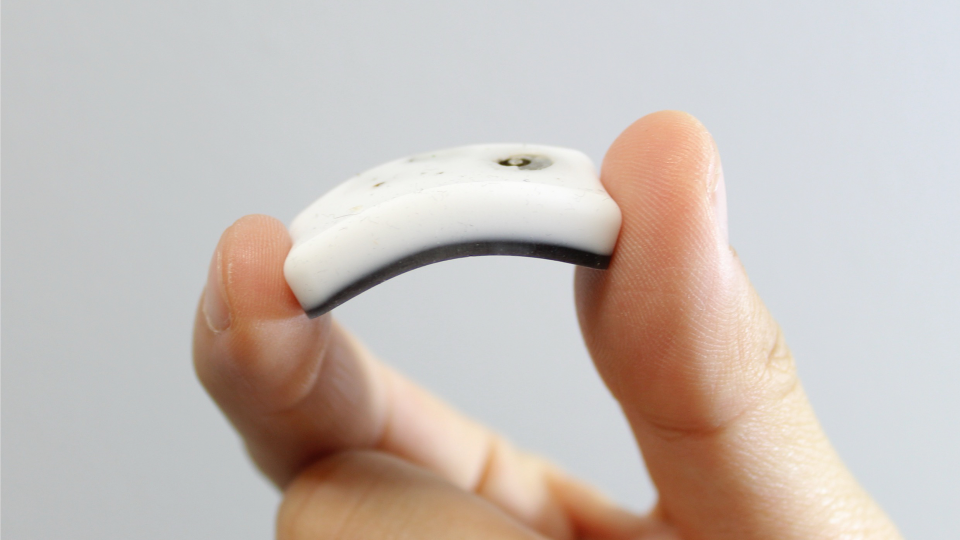
Georgia Tech researchers have developed a soft, wireless wearable that uses near-infrared spectroscopy to monitor glymphatic clearance dynamics in a natural home environment. This noninvasive technology offers a cost-effective alternative to clinical MRI and polysomnography for tracking physiological changes linked to brain health during sleep.





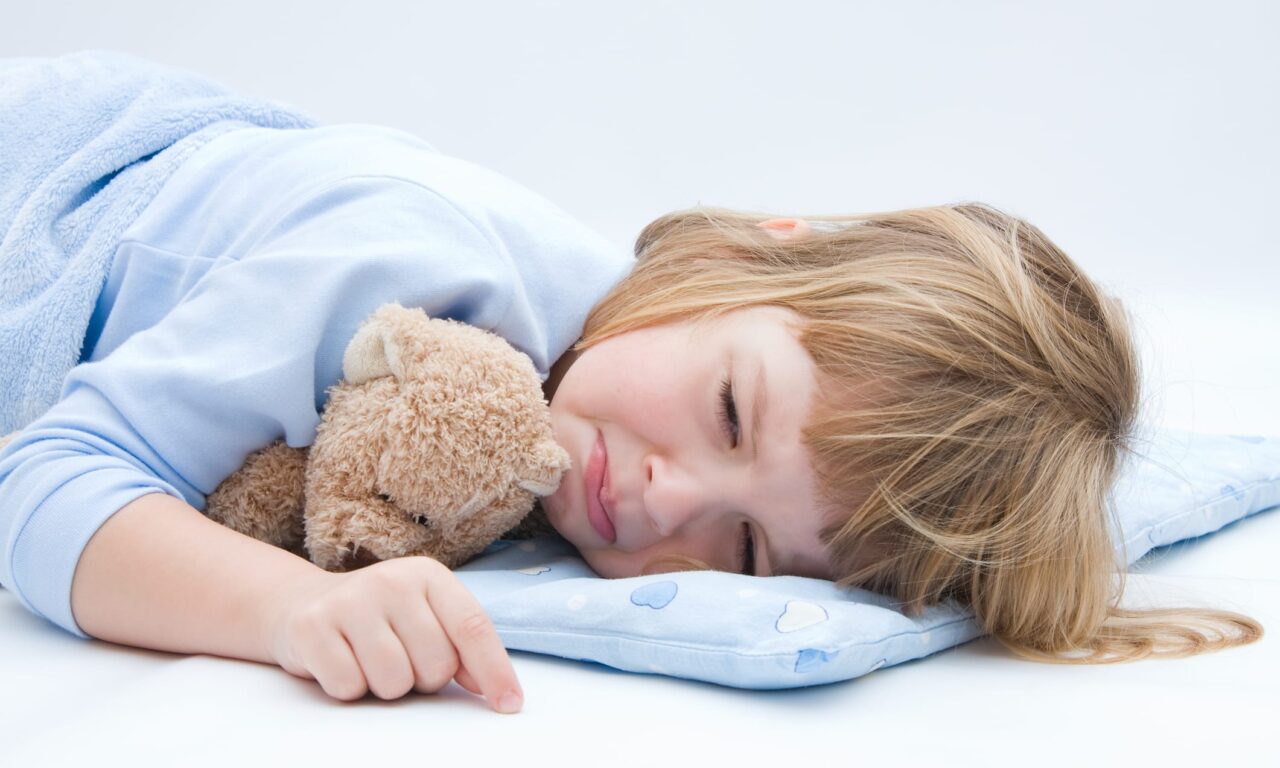
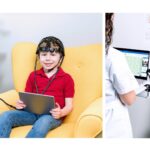
Preparation at home, child-friendly environments, and experienced techs can improve the in-lab polysomnography experience for the youngest patients, as well as those with sensitivities or anxiety.




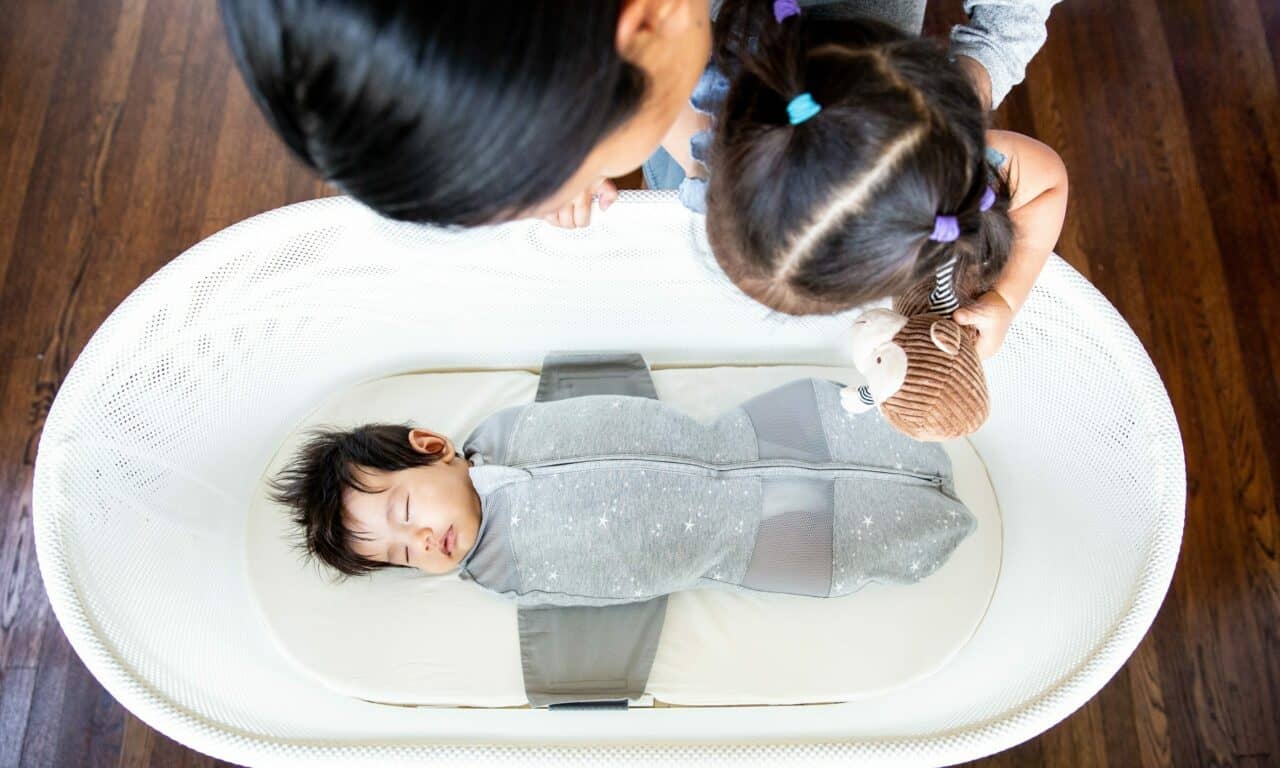
The agency cited the manufacturer for distributing new sleep sack sizes and a clinical bassinet bundle without required clearance, alongside quality system and reporting violations.